
South African Myxococcota: An Untapped Resource for Microbial Ecology and Biotechnology

Dr Benjamin Havenga
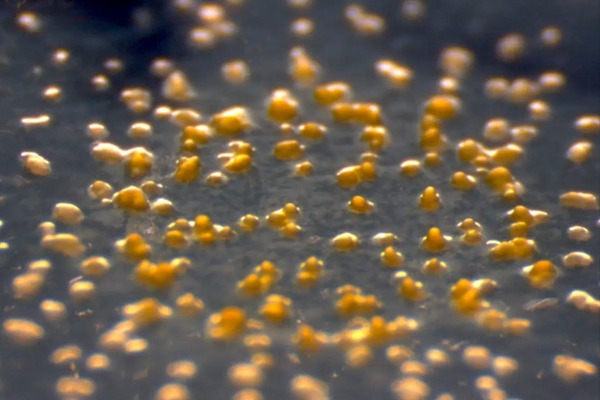
Abstract Authors
Benjamin Havenga - Department of Microbiology, Stellenbosch University
Karin Jacobs - Department of Microbiology, Stellenbosch University
Abstract Description
The phylum Myxococcota is characterised by a multicellular life cycle, ecological versatility, and prolific secondary metabolite production. In response to increasing fungicide resistance in South African agriculture and increased antimicrobial resistance, Myxococcota-derived metabolites are highlighted as candidate bioprotective alternatives. While most studies focused on Asia, Europe, and North America, their occurrence in Sub-Saharan Africa remains largely unexplored. To date, only one South African study has reported Myxococcota isolates, with additional evidence limited to incidental metagenomic detection. South Africa’s diverse biomes therefore represent promising but under-examined environments for discovering novel Myxococcota with ecological and biotechnological potential. This study targeted South African biomes, with soil collected as the primary material for subsequent isolations. High-throughput isolation and purification were followed by DNA extraction, PCR, and sequencing of 16S rRNA and housekeeping genes (gyrB, rpoB, pyrG and pgm), with selected strains advanced to whole-genome sequencing. Strains were prioritised for biosynthetic gene cluster analysis to evaluate ecological functions and secondary metabolite production potential. Together, this work initiates systematic bioprospecting to explore the ecological and biotechnological value of Myxococcota in South Africa.Dr Benjamin Havenga
Department of Microbiology