
Interrogating the Role of Higher Education Institutions in the Eastern Cape in Biotechnology Enterprise Creation and Advancement

Aphiwe Mfuku
Abstract Authors
Aphiwe Mfuku - Rhodes University Biotechnology Innovation Centre (RUBIC), Department of Biotechnology, Rhodes University
Ronen Fogel - Rhodes University Biotechnology Innovation Centre (RUBIC), Department of Biotechnology, Rhodes University
Janice Limson - Rhodes University Biotechnology Innovation Centre (RUBIC), Department of Biotechnology, Rhodes University
Abstract Description
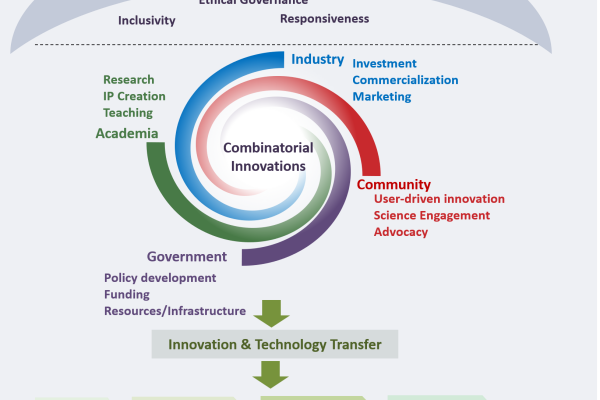
Biotechnology is recognized as a key driver of economic growth, job creation, and sustainable development. Several national policies and strategic frameworks aim to leverage biotechnology for sustainable innovation and bio-based economic growth across health, agriculture, and industrial sectors, integrating the country’s Indigenous Knowledge Systems (IKS) and genetic diversity. Quadruple helix models that involve key stakeholders (including government, academia, industry, and society) have been proposed as a tool for achieving these goals. Globally, HEIs have been shown as a key stakeholder to drive inclusive, innovation-led economic development, advancing both national priorities and the SDGs. The role of academia, in particular, in fostering new Biotechnology industry in the Eastern Cape has not yet been explored. This study evaluates the biotechnology and bio-entrepreneurship landscape in the Eastern Cape within the framework of South Africa’s Bio-Economy Strategy, focusing on the role of Higher Education Institutions (HEIs) in driving regional innovation and industry collaboration. A mixed-methods approach profiled provincial HEIs using published bibliometric analysis (2013–2025) and intellectual property analysis and compared that to biotechnology industries active in the Eastern Cape using structured stakeholder surveys (academia and industry) and regional mapping. Collectively, the study assessed research outputs, collaboration patterns, funding dynamics, enterprise motivations, and demographic profiles to gauge ecosystem maturity and readiness for innovation-led development. This presentation will highlight the presence of an emerging biotechnology industry primarily active in the areas of medicinal plants, cosmetics, and nutraceuticals and will critically reflect on the role of HEI engagement in shaping their success. Findings reveal that industry-academia collaborations across HEIs remain limited, signaling the need for stronger, structured, engagements between the two to improve commercialization pathways. While most participants collaborate with other canters or platforms, a notable proportion remain disconnected, signaling further opportunities to strengthen linkages within the ecosystem.Aphiwe Mfuku
RUBIC
Supervisor: Prof J. Limson & Dr R. Fogel