

Abstract Authors
Marilize Le Roes-Hill - Applied Microbial and Health Biotechnology Institute, Cape Peninsula University of Technology
Alaric Prins - Applied Microbial and Health Biotechnology Institute, Cape Peninsula University of Technology
Vivian Stein - Technology of Biogenic Resources, Technical University of Munich
Abstract Description
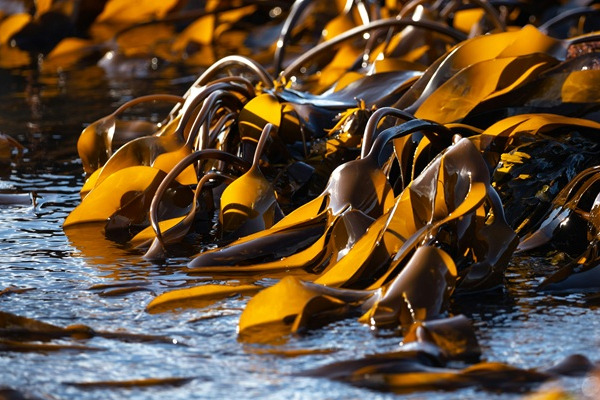
Algae are photosynthetic eukaryotic organisms that form the base of the marine trophic chain as primary producers. Microorganisms associated with marine macroalgae are responsible not only for their protection but also for their recycling in the natural environment. These microorganisms produce novel secondary metabolites and enzymes to fulfil these functions. Currently, the microbiome associated with the indigenous brown seaweed, Laminaria pallida, and its role in maintaining the health of the seaweed and the marine environment are unknown. In this study, L. pallida was collected from Mouille Point, Cape Town. Bacteria were isolated from healthy fronds, while the rest of the seaweed was allowed to degrade for 14 days. The degradation metagenome was sequenced, metagenome assembled genomes (MAGs) extracted using MaxBin2 and CONCOCT, and, along with isolate genomes, analysed for their ability to produce carbohydrate-active enzymes (CAZymes; using dbCAN3), plastic-degrading enzymes (using plasticDB), secondary metabolites (using antiSMASH), and overall biosynthetic potential (eggNOG mapper). In addition, isolates were also analysed for CAZyme production, antimicrobial activity, and plastic degradation through standard agar-based screening. The seaweed degradation bacteriome was found to be dominated by Gammaproteobacteria (68-89 %) and Bacteroidota (11-31 %), with isolates representing Cobetia, Paraglacieola, and Pseudoalteromonas, while the MAGs retrieved represented Ancylomarina, Fusobacterium, Marinifilum, and Psychromonas. The MAGs contained genes encoding a range of CAZymes, including alginate lyases and fucoidanases involved in brown seaweed degradation. Additionally, genes encoding for plastic-degrading enzymes, including those targeting bioplastics and fossil-based plastics, were identified. Selected isolates exhibited antimicrobial activity, polycaprolactone degradation, polyethylene terephthalate (PET) degradation, and fucoidan degradation. Analysis of the degradation microbiome allows for insights into the functional role of bacteria associated with L. pallida, while bacterial isolates and MAGs were found to contain promising genes encoding novel industrially relevant enzymes such as fucoidanases and alginate lyases. Future studies will focus on the synthesis and functional expression of metagenome-derived genes and genes from seaweed isolates for application in seaweed and plastic degradation.