

Abstract Authors
Perfoy Lumu Lumu - Department of Biochemistry, Genetics & Microbiology, University of Pretoria
Phanankosi Moyo - Department of Chemistry, University of Pretoria
Alphonse Onana - Department of Biochemistry, Genetics & Microbiology, University of Pretoria
Patrick McMillan - Department of Biochemistry, Genetics & Microbiology, University of Pretoria
Samkelo Malgas - Department of Biochemistry, Genetics & Microbiology, University of Pretoria
Vinesh Maharaj - Department of Chemistry, University of Pretoria
Sekelwa Cosa - Department of Biochemistry, Genetics & Microbiology, University of Pretoria
Abstract Description
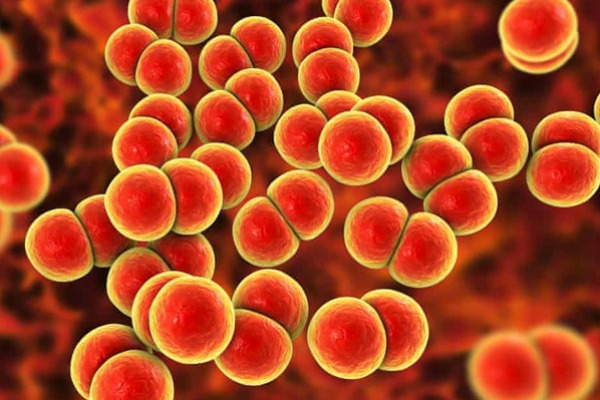
Neisseria gonorrhoeae remains a high-priority pathogen according to the World Health Organisation (WHO) Bacterial Priority Pathogens List. The emergence of multidrug-resistant strains of N. gonorrhoeae is of great concern, severely limiting its treatment options. Given their historical success, natural products are a plausible source in the pursuit of novel alternative gonorrhoea treatment options. Thus, this study employed a metabolomics-guided approach to identify putative anti-gonorrhoeal compounds from South African medicinal plants tentatively. Crude extracts of medicinal South African plant species and their corresponding solid-phase extraction (SPE) fractions were screened against N. gonorrhoeae. Chemometric analysis identified 23 compounds that are potentially responsible for the observed antimicrobial effects. The Neisseria Bayesian model further predicted 12 of the tentative compounds with activity scores above the 0.5 threshold. These findings highlight promising anti-gonorrhoeal activity, reinforcing prospects of Helichrysum odoratissimum and Terminalia phanerophlebia as valuable sources of bioactive compounds. The integration of metabolomics and in silico prediction enabled the prioritisation of hit compounds for future in vitro validation and pharmacological evaluation, advancing the search for alternative therapeutic options against drug-resistant N. gonorrhoeae.