

Abstract Authors
Ntobeko Songcata - Rhodes University Biotechnology Innovation Centre (RUBIC), Department of Biotechnology, Rhodes University
Ronen Fogel - Rhodes University Biotechnology Innovation Centre (RUBIC), Department of Biotechnology, Rhodes University
Janice Limson - Rhodes University Biotechnology Innovation Centre (RUBIC), Department of Biotechnology, Rhodes University
Abstract Description
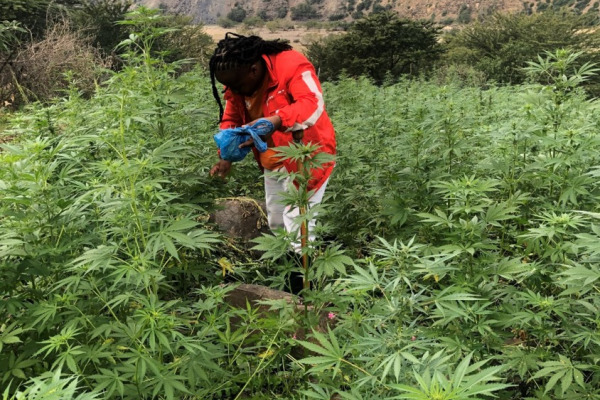
Cannabis has been cultivated in South Africa for centuries, serving as a vital source of income for many communities, even during periods when its production was criminalised. Over generations, local cannabis growers have developed extensive traditional knowledge, resulting in the hardy, distinctive landrace strains found in the Eastern Cape today. However, recent shifts in South African cannabis legislation have posed new challenges for legacy growers. Markets have pivoted toward newer, imported strains, which threaten the biodiversity of the region’s unique varieties through cross-pollination. The Mpondoland region in South Africa’s Eastern Cape is renowned for its community of heritage and craft cannabis farmers, many of whom now find their livelihoods endangered by evolving cannabis laws that often exclude them from the formal legal market. To address these complex issues, we applied Participatory Action Research (PAR), engaging closely with Mpondoland’s cannabis farmers to explore their needs, challenges, and hopes for participation in the emerging cannabis bioeconomy. Our research combined in-person surveys, detailed questionnaires, and recorded interviews to identify obstacles—and reveal opportunities for scientific solutions that build upon and complement traditional practices. The study identified a critical need for comprehensive skills training across all stages of cannabis-based product production and sales, for research into alternative, less chemically dependent cultivation methods, and improved access to diagnostic tests and services.