

Abstract Authors
Veronica Phetla - Department of Life and Consumer Sciences, College of Agriculture and Environmental Science, University of South Africa
Charles Monyama - Department of Life and Consumer Sciences, College of Agriculture and Environmental Science, University of South Africa
Veronica Phetla - South African National Biodiversity Institute, South Africa
Monica Mwale - South African National Biodiversity Institute, South Africa
Oriel Thekisoe - Unit for Environmental Sciences and Management, North-West University
Abstract Description
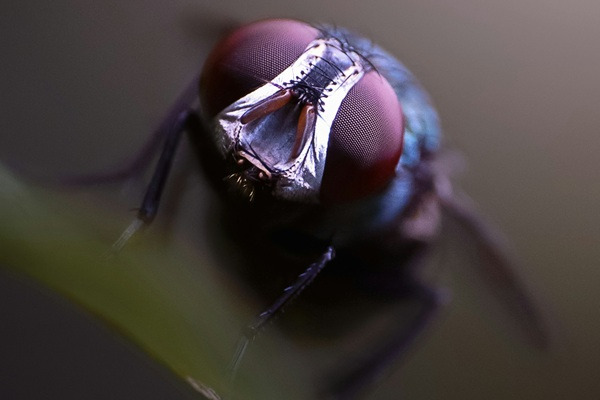
The role of Muscidae flies as vectors of bacterial pathogens with veterinary and public health significance necessitates accurate species identification and distribution mapping. This review analyzed records from the Barcode of Life Data Systems (BOLD) and the South African National Biodiversity Institute (SANBI) national Diptera checklist, the BOLD Arthropoda progress report, and literature, to assess South African Muscidae diversity, distribution, and pathogen transmission. Through comparative analysis, we documented a total of 276 Muscidae fly species within the South African region. Three genera (n=3) of the 39 genera, namely Coenosia, Lispe, and Musca, demonstrated notable barcoding percentage gaps of 99 %, 98 %, and 98 %, respectively, indicating substantial genetic identification challenges. For the remaining 36 genera, a complete absence of barcode information was recorded, representing a 100 % barcoding data gap. The striking disparity in Barcode Index Number (BIN) records across the three predominant fly genera (Coenosia, Lispe, and Musca) reflects a concerning pattern in South African dipteran molecular taxonomy. The species Musca domestica demonstrated the most extensive pathogen diversity, carrying 22 distinct bacterial species, which include the ESKAPE group of pathogens. The results reveal critical gaps in taxonomic data alongside substantial pathogen transmission risks, necessitating integrated molecular-taxonomic approaches and targeted disease control strategies.