

Abstract Authors
Eben Mundell - River Bioscience, South Africa
Marcel van der Merwe - Department of Biochemistry, Microbiology, and Bioinformatics, Rhodes University, & Centre for Biological Control (CBC), Department of Zoology and Entomology, Rhodes University
John Opoku-Debrah - River Bioscience, South Africa
Megan Mulcahy - River Bioscience, South Africa
Sean Thackeray - River Bioscience, South Africa
Michael Jukes - Department of Biochemistry, Microbiology, and Bioinformatics, Rhodes University, & Centre for Biological Control (CBC), Department of Zoology and Entomology, Rhodes University
Abstract Description
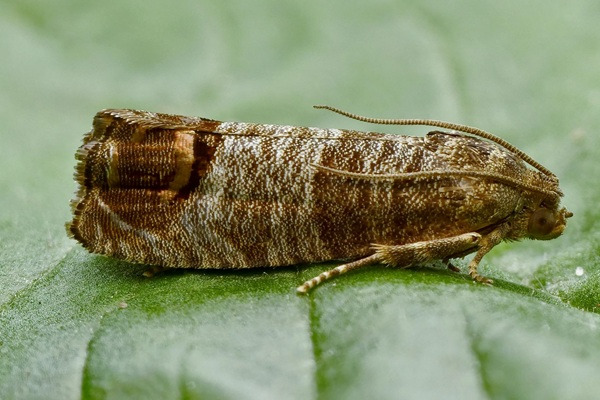
Codling Moth, Cydia pomonella (L.) (Lepidoptera: Tortricidae), is a major threat to apple production worldwide, with the potential for severe crop losses if not effectively managed. A key biocontrol method widely adopted, especially among organic growers, is the use of the baculovirus Cydia pomonella Granulovirus (CpGV). However, intensive use of the CpGV-M (Mexican) isolate has led to the emergence of resistant C. pomonella populations. A novel isolate, CpGV-SA, recently identified in South Africa, demonstrates the capacity to overcome type 1 resistance associated with CpGV-M. River Bioscience currently produces both isolates in vivo, but their co-production poses a contamination risk, necessitating rapid and reliable molecular discrimination methods. We applied a genomics-informed quantitative PCR (qPCR) melt curve assay targeting sequence polymorphisms in the pe38 gene, where a 24-base pair repeat serves as a marker for resistance-breaking potential. Primer design was optimized to enhance melt curve resolution and maximize the differentiation of CpGV-M and CpGV-SA. Distinct melt curve profiles and melting temperature (Tm) values, generated by genomic variation in the pe38 locus, enabled clear discrimination between CpGV-M and CpGV-SA isolates. Systematic testing of primer pairs identified those that improved assay resolution and reliability. This study demonstrates that qPCR melt curve analysis is a genomics-based, cost-effective, and high-throughput alternative to sequencing for differentiating CpGV isolates. By integrating molecular diagnostics into agricultural biocontrol, this approach supports effective production, monitoring, and research. Future efforts will expand this assay framework to additional baculovirus species and establish standardized protocols for omics-driven quality control protocols in biocontrol systems.