

Abstract Authors
Ashmika Singh - Rhodes University Biotechnology Innovation Centre (RUBIC), Department of Biotechnology, Rhodes University; Centre of Emerging Zoonotic and parasitic Diseases, National Institute for Communicable Diseases, National Health Laboratory Service, Johannesburg; Wits Research Institute for Malaria, School of Pathology, University of Witswatersrand
M Allam - Department of Genetics and Genomics, College of Medicine and Health Sciences, United Arab Emirates University, United Arab Emirates
WY Chan - Right to Care, Centurion; Forestry and Agriculture Biotechnology Institute (FABI), Department of Biochemistry, Genetics and Microbiology, University of Pretoria; Sequencing Core Facility, National Institute for Communicable Diseases, National Health Laboratory Service, Johannesburg
A Ismail - Sequencing Core Facility, National Institute for Communicable Diseases, National Health Laboratory Service, Johannesburg
SV Oliver - Centre of Emerging Zoonotic and parasitic Diseases, National Institute for Communicable Diseases, National Health Laboratory Service, Johannesburg; Wits Research Institute for Malaria, School of Pathology, University of Witswatersrand
Abstract Description
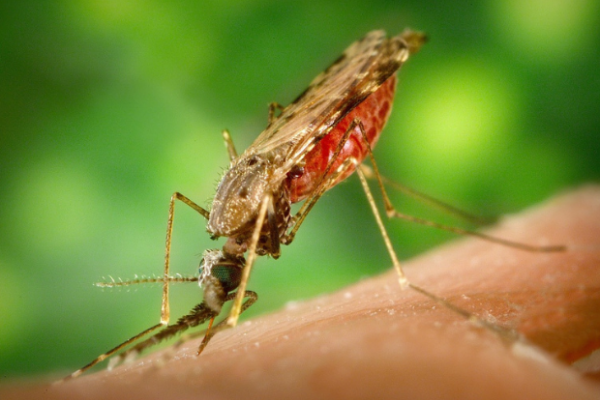
Fungal communities represent an important yet understudied component of the mosquito gut microbiome. While bacterial microbiota in Anopheles vectors have been extensively examined, comparatively little is known about the diversity, acquisition, and functional roles of the gut mycobiota—particularly in Anopheles arabiensis, a major malaria vector in southern Africa. This study provides the first comprehensive characterisation of the fungal communities in the gut of An. arabiensis across multiple developmental stages. Fungal communities were profiled using ITS1 amplicon sequencing on the Illumina MiSeq platform. α-diversity analyses showed that fungal diversity differed minimally between laboratory-reared strains but was significantly higher in the first filial generation (F₁) larvae, suggesting environmental acquisition from natural larval habitats. The proportion of fungal communities found in the gut varied more strongly, particularly between insecticide-susceptible (SENN) and insecticide-resistant (SENN DDT) larvae and after blood feeding, indicating that both larval diet and physiological responses influence mycobiota structure. β-diversity patterns indicated differences between the first filial and laboratory-reared populations across all stages, with the greatest divergence observed in three-day-old adults. A decrease in fungal diversity with adult age and repeated blood meals suggests that the gut environment becomes increasingly selective over time. The gut mycobiota was dominated by members of the Ascomycota and Basidiomycota, with genera such as Candida, Cladosporium, and Saccharomyces consistently detected, suggesting the presence of a core fungal community. However, numerous unique genera, particularly in the F₁ population highlight the influence of environmental exposure and potential links to insecticide-resistance phenotypes. These findings expand the foundational understanding of the An. arabiensis gut mycobiota and provide baseline data for exploring fungal symbionts as candidates for paratransgenesis and other microbial-based vector control strategies.