

Abstract Authors
Sanelisiwe Thinasonke Duze - Department of Clinical Microbiology and Infectious Diseases, University of Witwatersrand
Musa Marimani - Department of Clinical Anatomical Pathology, University of Witwatersrand
Mrudula Patel - Department of Clinical Microbiology and Infectious Diseases, University of Witwatersrand
Abstract Description
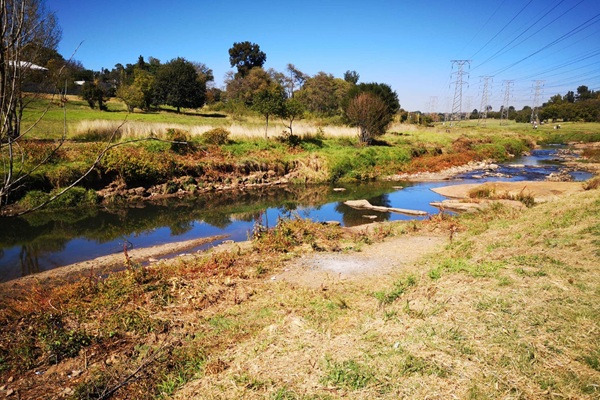
Non-typhoidal Salmonella (NTS) infections are a growing global health concern, with sub-Saharan Africa bearing the highest burden. Moreover, the emergence of multidrug-resistant (MDR) strains, particularly those resistant to fluoroquinolones and third-generation cephalosporins, complicates treatment. Environmental reservoirs such as urban rivers are known to facilitate the persistence and transmission of MDR NTS. Therefore, this study aimed to characterize NTS isolates recovered from the Jukskei River in Gauteng, South Africa, using whole genome sequencing. Thirty Salmonella isolates from the river were confirmed using PCR targeting the invA gene. WGS was performed using the Illumina NextSeq 2000 platform. Most isolates (83 %) belonged to Salmonella enterica subspecies enterica, with the remainder classified as subspecies salamae (17 %). Eight serotypes were identified, including S. braenderup, S. hadar, S. schwarzengrund, S. cerro, S. enteritidis, S. bonn, and S. abaetetuba. The plasmid-mediated quinolone resistance gene qnrB19 was detected in eight isolates, including S. hadar, one S. abaetetuba, and S. braenderup isolates. Moreover, the S. braenderup isolates (ST22) harbored multiple resistance genes, including blaCTX-M-15, qnrB1, qnrB19, catA1, tetA, dfrA14, aac(6’)-Iaa, and aadA1, along with a chromosomal parC mutation (p.T57S) linked to fluoroquinolone resistance. All isolates carried the aminoglycoside resistance gene aac(6')-Iaa, metal stress resistance genes golS and golT, and a broad virulence gene repertoire including SinH, ironB, and ironC. The cdtB gene, associated with cytolethal distending toxin, which is part of the typhoid toxin-associated genes, was present in S. abaetetuba, S. hadar, and S. schwarzengrund. Phylogenetic analysis of the S. abaetetuba isolates (ST2041) revealed high genetic similarity (1–4 SNPs). Comparative analysis with global genomes showed a paraphyletic relationship with an isolate from an iguana in Ecuador, suggesting a reptilian origin. These findings highlight urban rivers as important reservoirs of clinically important genomic traits, including multidrug-resistant Salmonella, with zoonotic links, reinforcing the urgent need for integrated One Health surveillance and environmental risk mitigation strategies.