

Abstract Authors
Alyson Bennett - Department of Biochemistry, Microbiology and Bioinformatics, Rhodes University
Roderick B Walker - Faculty of Pharmacy, Rhodes University
Abstract Description
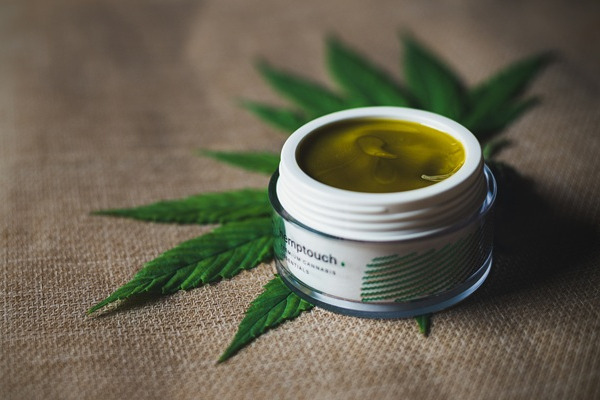
Cannabidiol (CBD) may be applied to the skin to treat dermatological conditions such as psoriasis, atopic dermatitis, allergic contact dermatitis, and acne vulgaris. Topical formulations containing CBD are available in South Africa as Schedule 0 or Complementary Medicines (Category D). Topical CBD products may be purchased from pharmacies, health shops, supermarkets or online pharmacy owned businesses. The content of the topical products may have different quantities of CBD that may fall within the limits set by the South African Health Products Regulatory Authority (SAHPRA). Globally, quality evaluation of commercially available cannabis containing products have exhibited instability of the CBD and tetrahydrocannabinol (THC) content. The stability of some commercially available CBD topical formulations in South Africa were evaluated for the stability of CBD within the parameters of an in-use setting and compared to the stability of CBD in emulsion based extemporaneously manufactured formulations. Five commercial products and four extemporaneously prepared oil in water (o/w) emulsions were prepared and had similar spreadability, rheological properties, and pH. The CBD content of these products was monitored for 12 weeks. The products were stored in the dark at 22 °C, exposed to light at 22 °C and in the dark at 37 °C. Validated extraction and HPLC methods were used to quantitate the CBD content in the products. Exposure to 37 °C resulted in an increase in the degradation rate of CBD when compared to samples stored in the light at 22 °C. The Product E CBD formulation with numerous active antioxidant components of unknown quantities exhibited the lowest degradation of CBD when exposed to light and the increased temperature. The CBD in a Pickering emulsion exhibited lower CBD degradation than the other extemporaneously prepared o/w emulsions, which is likely due to the thermally stable solid particle network and high viscosity of the emulsion. The quality and stability of topical formulations containing CBD is contingent on the excipients and process used to make the product. The degradation of CBD in the topical formulations at elevated temperatures or in products in clear packaging exposed to light during use is likely to cause degradation and may decrease customer satisfaction.