Exploring Nanobiochar as a Microbial Modulator in Dry Anaerobic Digestion

Agricultural Research Council
Abstract Authors
Ashira Roopnarain - Agricultural Research Council
Sasipa Boonyubol - Institute of Science Tokyo
Jeffrey Cross - Institute of Science Tokyo
Siphiwe Lusiba - University of Venda
Jonas Zefanias Massuque - University of Venda
Custódio Efraim Matavel - University of Venda
Buhlebelive Mndzebele - Agricultural Research Council
Busiswa Ndaba - University of South Africa
Haripriya Rama - Agricultural Research Council
Abstract Description
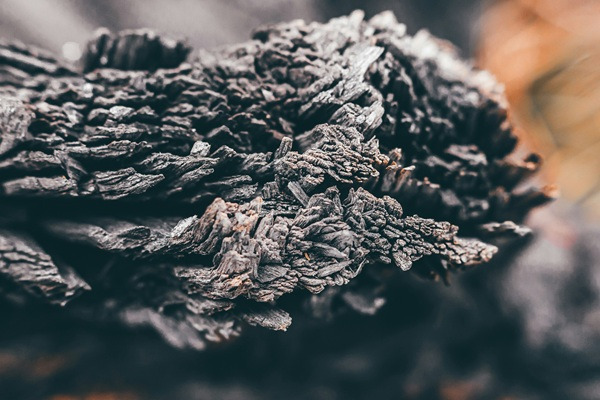
Dry anaerobic digestion (DAD) is a water‑efficient technology used for the transformation of high‑solid organic waste into renewable energy and nutrient‑rich digestate. This makes DAD particularly valuable in regions experiencing water scarcity. This study is part of the W3M-Dry AD (Water wise waste management) Africa-Japan collaborative project and addresses common constraints in DAD systems, including the accumulation of volatile fatty acids (VFAs), slow hydrolysis, and process instability caused by microbial imbalances across the fermentative, acetogenic and methanogenic stages. Nanobiochar offers an innovative opportunity to address these challenges. With its reactive functional groups, elevated surface area and porosity, nanobiochar can adsorb inhibitors, buffer microenvironments, provide attachment sites for microbes and facilitate direct interspecies electron transfer (DIET). Hence, it is hypothesized that nanobiochar will aid in optimizing DAD by facilitating microbial interactions and improving process stability. To test this hypothesis, laboratory‑scale DAD digesters will be operated in batch and semi-continuous mode using high-solid agricultural waste as a feedstock (20% total solids). Treatments will include various nanobiochar doses and a control without nanobiochar. The nanobiochar will be derived from pyrolysis of different lignocellulosic residues to determine the impact of nanobiochar type on DAD process. Process monitoring will include the measurement of methane yield, VFA content and pH using gas chromatography and manometry, high performance liquid chromatography and a pH meter, respectively. Digestate sampling at regular intervals will track microbial dynamics using 16S rRNA gene sequencing and functional capacity will be resolved using shotgun metagenomics. Bioinformatic pipelines will be coupled with statistical analyses to identify associations between performance metrices, community succession and functional gene enrichment. It is anticipated that nanobiochar will enhance methane yields, stabilize pH and mitigate VFA accumulation by adsorbing inhibitors and supporting the establishment of key DAD consortia. Moreover, shotgun metagenomics is expected to reveal enrichment of carbohydrate-active enzymes, hydrogenases, and redox-active proteins associated with DIET. These findings will provide a scientific basis for selecting nanobiochar feedstock and dosage, and for integrating nanobiochar into DAD systems to advance circular bioeconomy goals through waste valorization, water conservation, and renewable energy production.Agricultural Research Council
Microbiology and Environmental Biotechnology Research Group