

Abstract Authors
Megan Starbuck - Department of Biochemistry, Microbiology and Bioinformatics, Rhodes University
Joanna Dames - Department of Biochemistry, Microbiology and Bioinformatics, Rhodes University
Martin Villet - Department of Zoology and Entomology, Rhodes University
Abstract Description
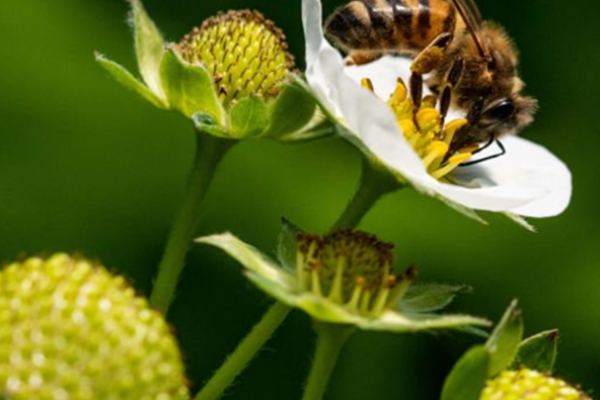
Bio-pesticides and microbial biological control agents (BCAs) provide an eco-friendly alternative to conventional pesticides for mitigating plant pathogens. These specialised agents can be precisely delivered to susceptible plant tissues via bio-vectoring (using bees to deliver the bio-pesticide to flowers). Concurrently, bio-pesticide-derived bio-stimulants boost plant growth and bolster resistance to infections. This study employed honeybee-mediated transport of Trichoderma conidia combined with arbuscular mycorrhizal (AM) fungal inoculation to combat Botrytis cinerea (grey mould) in strawberries. This sustainable approach minimises resource consumption, prioritises pollinator and symbiotic organisms’ well-being, and reduces environmental harm. The primary objective was identifying a Trichoderma strain suitable for mass production and honeybee delivery, effectively inhibiting B. cinerea growth. Fungal isolates were identified and their antagonistic potential against B. cinerea was assessed in vitro, with Trichoderma asperellum demonstrating significant inhibition. A honeybee-safe and efficient bio-pesticide formulation was developed, utilising mass-produced conidia in a carrier powder. Furthermore, the study explored the feasibility of implementing antagonistic bee-delivered T. asperellum conidia alongside tolerance-boosting AM fungi to safeguard strawberries against Botrytis infection. The synergistic effect of these fungi increased total plant biomass by 43 %. This research unveils an environmentally sound strategy for plant disease management, reducing reliance on conventional pesticides while promoting ecosystem well-being, plant vitality and resource-saving.