

Abstract Authors
Xena Goslett - Division of Medical Microbiology, University of Cape Town
Lynthia Paul - Division of Medical Microbiology, University of Cape Town
Brian Kullin - Division of Medical Virology, University of Cape Town
Abstract Description
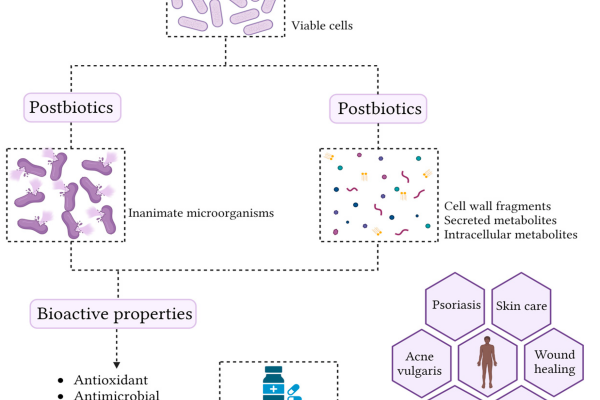
The escalating prevalence of antimicrobial resistance (AMR) among diarrhoeal pathogens presents a critical public health challenge, particularly in low-resource settings where conventional antibiotic therapies are increasingly ineffective. In response, there is growing interest in harnessing the body’s natural defense against invading diarrhoeal pathogens. These include naturally occurring antimicrobial peptides (AMPs) originating from the gastrointestinal microbiota as targeted, microbiome-friendly alternatives. Amongst the GIT microbiota, lactic acid microbes such as Enterococcus species have emerged as promising candidates due to their diverse AMP potential recorded in sequenced genomes. These AMPs include bacteriocins and non-ribosomal antimicrobial peptides. Unfortunately, various species of Enterococcus are opportunistic pathogens, limiting its use as probiotics. However, its antimicrobial potential can be mined and developed to be used as post-biotics (i.e. inactivated microbes or purified beneficial products). This study aims to comprehensively characterize the AMP repertoire of Enterococcus isolates through a combined approach of phenotypic screening and whole genome sequencing (WGS). Isolates sourced from a bank of stored, stool cultures are characterized phenotypically and genotypically, up to strain-level. Phenotypic assays, including agar overlay and co-culture inhibition tests, are employed to assess antimicrobial activity against clinically relevant diarrhoeal pathogens such as Escherichia coli, Clostridium difficile, Clostridium perfringens and Staphylococcus aureus. Genome analysis is employed to predict the presence of AMPs as well as exclude strains with virulent traits. Here we present genomic profiling of one candidate, E. faecalis P2 that showed antimicrobial activity against C. difficile. Genome analysis of strain P2 identified a class II bacteriocin similar to Enterocin CRL35 (a peptide identified in E. faecium and E. mundtii). This antimicrobial peptide has confirmed activity against pathogens such as Listeria monocytogenes. In terms of safety as per GRAS categorization, P2 does not qualify for GRAS status as it encodes typical E. faecalis virulence genes. However, the fact that it inhibits a diarrhoeal pathogen such as C. difficile, underscores the use of GIT microbes as postbiotics instead of live biotherapeutics. In this regard, identified AMPs can be purified and tested for activity and potentially employed as postbiotic supplements in probiotic preparations.